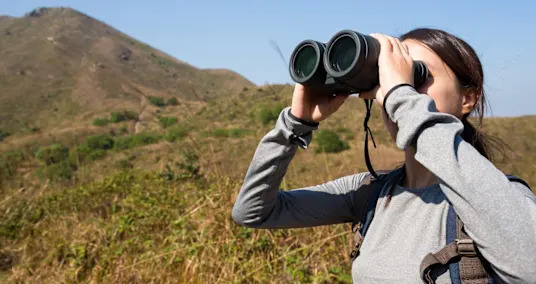
If you’re looking toward the stars next week, there’s a chance you may spot a celestial event.
The Ursid meteor shower, also known as the Ursids, will be the final meteor shower of the year, making it your last shot at seeing “shooting stars” in 2025. It’ll peak Sunday night to Monday morning, and be visible until Dec. 26,
While the Ursids won’t put on as flashy a show as, say, the Geminids, which peaked earlier this month, or the Perseids, the summer meteor shower that many experts say is the best of the year, it might at least provide some holiday cheer to space enthusiasts. Here’s what to know.
What are the Ursids?
Meteor showers occur when debris from comets collide with Earth’s atmosphere and heat up to the point that they briefly glow — creating that “shooting star” effect. The debris from the Ursids specifically comes from the 8P/Tuttle comet, which has been known since 1790, according to Travel and Leisure.
Tuttle doesn’t leave as much debris as other comets, which is why this meteor shower won’t be as active as others.
Who will see the Ursids? How visible will they be?
The Ursids will be visible to most people in the Northern Hemisphere from Sunday, Dec. 21, to Friday, Dec. 26. During its peak (from Sunday night into Monday morning), the American Meteor Society says to expect about five to 10 meteors per hour — though some might see as many as 25.
Sometimes, the moon’s brightness can make it difficult to see meteor showers. However, that won’t be an issue for this year’s Ursids, as there will be a narrow crescent moon during the peak.
What’s the best way to see the Ursids?
Ursids activity is predicted to be highest around 5 a.m. ET on Dec. 22, so stay up late — or get up extra early — to see it.
You don’t need a telescope or any special equipment to view this meteor shower. Seek out a dark area away from city lights and give time for your eyes to adjust.
LATEST POSTS
- 1
 Activists Took BMW and Mercedes to Court Over Gas Cars. It Didn’t Stick
 - 2The most effective method to Really Adjust Hypothesis and Practice in Your Brain science Studies
- 3What’s your chronotype? Knowing whether you’re a night owl or an early bird could help you do better on tests and avoid scams
- 4Merck urges science-led US vaccine schedule after CDC trims childhood vaccine list
- 5The most exciting exoplanet discoveries of 2025



- Scientists Just Discovered Japan’s First New Bird Species in Over 40 Years
- Historic underwater structure discovered by divers off French coast
- UN torture cm'tee report flags Israel for allegedly mistreating journalists, detainees, ex-MAG
- The top astronomical discoveries of 2025
- Elite Execution Gaming PCs for Gamers
- The Minimized Passage Horse: Reconsidering a Symbol for the Cutting edge Period
- Inn The executives: A Remunerating Profession Decision for Energetic People
- Scientists solve the mystery of 'impossible' merger of 'forbidden' black holes
- Doctors thought he had cancer. An offhand suggestion led to a rare diagnosis.